The Price of Misunderstanding
Petplay remains one of the most misunderstood aspects of the kink community, often reduced to stereotypes that barely scratch the surface of its true depth and diversity. These misconceptions don’t just create confusion, they cause real emotional harm, pushing people away from exploration that could bring them joy, connection, and self-discovery. When narrow narratives dominate the conversation, we lose sight of the genuine richness, freedom, and emotional depth that petplay offers.
The moment someone mentions they’re interested in petplay, others often jump to predictable assumptions: it’s just elaborate porn, it requires expensive gear and constant animal roleplay, or it’s inherently degrading. While these elements might be present for some practitioners, they represent only a tiny fraction of the petplay spectrum. More importantly, when these limited views become the default understanding, they create barriers that prevent people from exploring an aspect of themselves that might resonate deeply.
Let’s examine the most persistent myths and reveal the fuller truth behind each one.
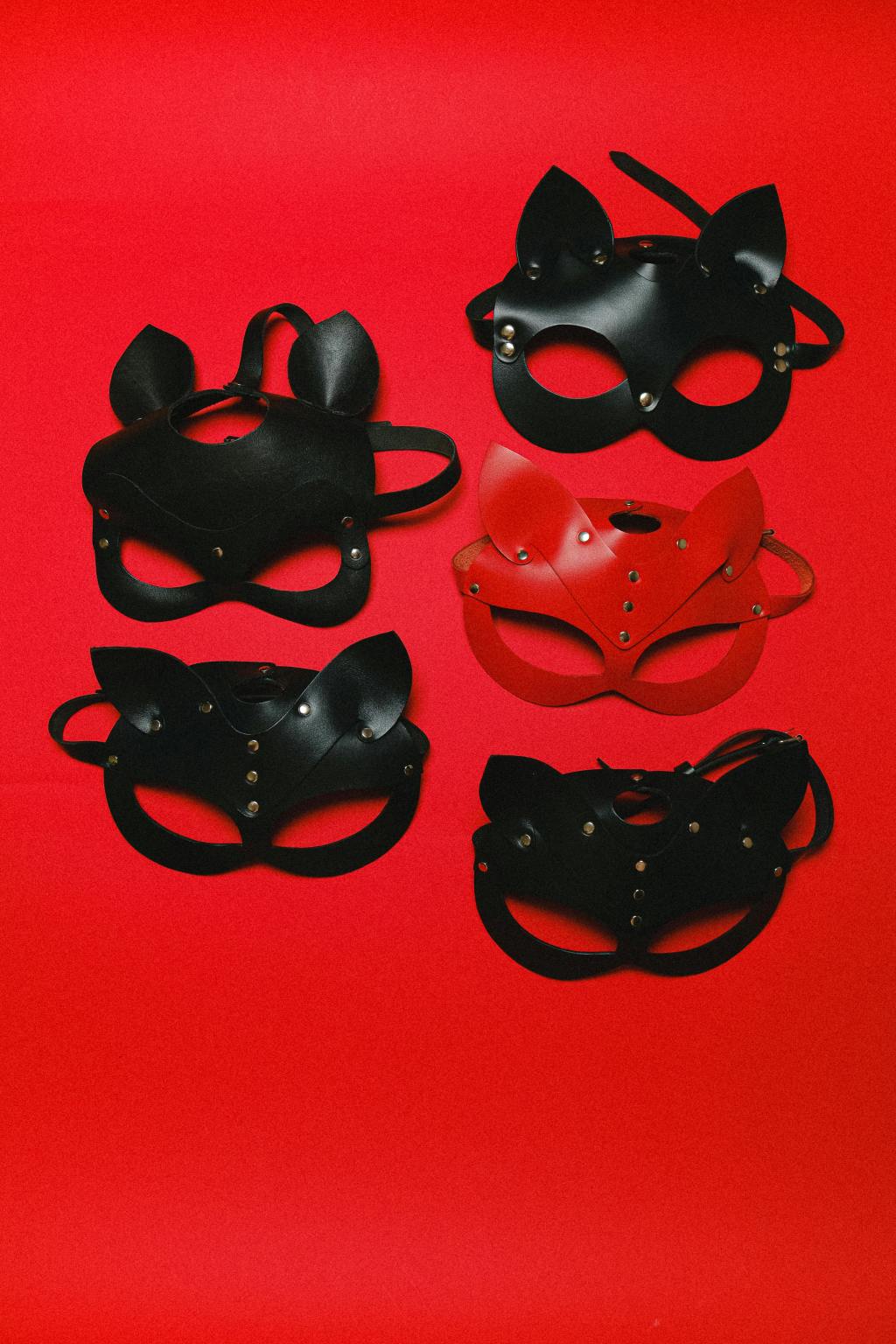
Myth 1: “It’s All About the Gear”
The Misconception: “It’s only real petplay if you have the ears, tail, paws, and full costume.”
This myth suggests that authentic petplay requires significant financial investment in specialized equipment. It implies that without the “right” accessories, your experience is somehow less valid or incomplete. This perspective treats petplay as elaborate dress-up rather than the psychological and emotional practice it truly is.
The Reality: While gear can be wonderful for creating immersion and helping people connect with their pet identity, it’s not what makes petplay authentic. The heart of petplay lies in the emotional and energetic experience, the headspace, the connection, the way of being in the world. Some of the most profound pet experiences happen in everyday clothes with no accessories whatsoever.
This myth creates several harmful effects:
- It financially gatekeeps the community, suggesting people need disposable income to participate
- It shames those who prefer subtle or gear-free exploration
- It reduces a complex psychological practice to simple cosplay
- It ignores the practical reality that many people can’t afford gear or need to keep their interests private
The Truth: You don’t need a tail to feel yours swish. The most important “equipment” for petplay is your imagination, willingness to explore, and openness to the experience. A collar can be meaningful, but so can the invisible one you feel around your neck when you’re in the right headspace.
Myth 2: “It’s Degrading”
The Misconception: “Why would anyone want to act like an animal? That’s humiliating and demeaning.”
This myth projects external value judgments onto a consensual, personal activity. It assumes that being animal-like is inherently shameful and that participants must be damaged, lacking self-respect, or seeking humiliation.
The Reality: For most practitioners, petplay is the opposite of degrading. It’s affirming, centering, and often deeply healing. Animals aren’t “less than” humans; they’re instinctive, powerful, authentic, and free from the complex social judgments that often burden human existence. Many people find liberation in temporarily setting aside human complications and connecting with more primal, honest aspects of themselves.
Consider what animals represent: loyalty, playfulness, living in the moment, unconditional love, authenticity, and freedom from self-consciousness. These are qualities many humans aspire to embody more fully. Being a pet can represent:
- A return to authenticity and presence
- Freedom from overthinking and social anxiety
- Connection to instinct and body wisdom
- Experience of unconditional acceptance
- Permission to be playful and spontaneous
The Truth: Being a pet can be the most dignified, joyful, and self-caring part of someone’s day. It’s a choice made from a position of strength, not weakness, and it often leads to greater self-acceptance and emotional health.
Myth 3: “Petplay Is Only for Submissives”
The Misconception: “You have to be submissive to be a pet.”
This myth assumes all pets are naturally submissive and that petplay inherently involves surrender to a dominant partner. It suggests a one-size-fits-all dynamic that doesn’t reflect the community’s actual diversity.
The Reality: While many pets do enjoy aspects of surrender, the petplay community includes a full spectrum of personality types and power dynamics. Consider the variety:
- Dominant pets: Animals who are in charge, protective, and assertive
- Brat pets: Playfully disobedient animals who enjoy testing boundaries
- Feral pets: Wild, untamed animals who resist control
- Independent pets: Animals who prefer autonomy and self-direction
- Switch pets: Animals whose energy changes based on context or partner
- Pack dynamics: Multiple pets interacting as equals
Animals in nature display every conceivable personality type, from alpha wolves to playful otters to solitary cats. Human pets can embody this same diversity.
The Truth: A pet is not just a role; it’s a state of being. Your particular flavor, dominant, submissive, or something entirely different is entirely your own to define.
Myth 4: “It’s Always Sexual”
The Misconception: “Petplay is just a sexual fetish involving animal roleplay.”
This is perhaps the most damaging misconception, as it reduces the entire practice to its potential sexual components while ignoring all other motivations and experiences.
The Reality: Petplay can include sexual elements, but for many practitioners, it’s not primarily or even partially sexual. People engage in petplay for numerous non-sexual reasons:
- Emotional regulation: Finding calm and centeredness in pet headspace
- Stress relief: Temporarily setting aside adult responsibilities and complications
- Self-care: Nurturing themselves through the care dynamics
- Spiritual practice: Connecting with animal wisdom and instincts
- Social connection: Building community and friendship through shared identity
- Creative expression: Exploring different aspects of personality and presentation
- Healing: Processing trauma or emotional difficulties through the safety of pet space
- Playfulness: Simply enjoying the fun and freedom of being silly and spontaneous
When sexuality is present, it’s one component among many, not the driving force behind the entire practice.
The Truth: Your connection to petplay doesn’t have to be sexual to be real, valid, or meaningful. Many practitioners never engage sexually while in pet space, and their experiences are just as authentic.
Myth 5: “You Have to Pick One Animal and Stick with It”
The Misconception: “Are you a dog or a cat? You can’t be both, and you need to decide before you start.”
This myth creates artificial rigidity around pet identity, suggesting that people must choose a single animal persona and maintain it consistently throughout their petplay journey.
The Reality: Pet identity is as fluid and complex as any other aspect of human identity. People’s connection to different animals may shift based on:
- Mood and circumstances: Feeling more cat-like when seeking independence, more puppy-like when craving play
- Partner dynamics: Different relationships bringing out different animal aspects
- Personal growth: Evolving interests and self-understanding over time
- Seasonal or cyclical changes: Natural rhythms affecting which animal energy feels right
- Hybrid identities: Feeling connected to multiple animals simultaneously
- Situational adaptation: Different environments or activities calling for different animal approaches
Some practitioners identify as specific hybrids (like fox-cats or wolf-dogs), while others flow between different animals as feels natural. Still others create entirely unique animal personas that don’t correspond to any real species.
The Truth: You’re not locked into one tail. Play is evolution, and your pet identity can grow and change as you do.
Myth 6: “You Need a Handler to Be a ‘Real’ Pet”
The Misconception: “If you’re not owned or don’t have a handler, it doesn’t count as real petplay.”
This myth creates a false hierarchy that positions partnered petplay as superior to solo practice, leaving many people feeling invalid or incomplete.
The Reality: Solo pets absolutely exist and their experiences are completely valid. People can explore petplay through:
- Solo practices: Personal rituals, gear wearing, movement, and headspace exploration
- Self-care routines: Using pet time for emotional regulation and stress relief
- Creative expression: Art, writing, photography, and other forms of pet-focused creativity
- Community participation: Engaging with others without formal ownership dynamics
- Casual partnerships: Playing with others without permanent or exclusive arrangements
- Preparation and development: Using solo time to understand preferences before seeking partners
The myth of requiring a handler often prevents people from beginning their petplay journey, creating unnecessary loneliness and false dependency. It also ignores the many people who genuinely prefer independence or whose life circumstances don’t accommodate partnered play.
The Truth: You can be your own handler. Your pet identity isn’t dependent on being claimed, owned, or managed by another person.
The Emotional Impact of These Myths
These misconceptions aren’t merely confusing, they cause genuine emotional harm that ripples through individuals and the broader community. They lead people to:
Hide their interests out of shame: Feeling that their natural inclinations are wrong or shameful, people suppress aspects of themselves that could bring joy and fulfillment.
Feel “not kinky enough” or odd: Believing they don’t fit the stereotypical mold, people may feel excluded from communities where they could find belonging.
Give up on exploration: Rather than risk judgment or “doing it wrong,” many people abandon their curiosity entirely.
Rush into inappropriate dynamics: Feeling pressure to find a handler or engage sexually to be “valid,” people may enter relationships or situations before they’re ready.
Suppress authentic desires: The disconnect between myths and reality can cause people to doubt their own experiences and feelings.
Experience isolation and invalidation: Without accurate information or supportive community, people may feel alone in their interests.
Reclaiming the Narrative
By identifying and actively rejecting these myths, we do the critical work of reclaiming petplay as something worthy of respect and understanding. This isn’t just about correcting misinformation, it’s about creating safe space for people to explore who they are without fear of judgment or invalidation.
When we challenge these misconceptions, we:
- Expand accessibility: Removing barriers that prevent people from exploring petplay
- Honor diversity: Recognizing the full spectrum of ways people can engage
- Reduce shame: Countering negative stereotypes with positive, accurate information
- Build community: Creating space for authentic connection and mutual support
- Encourage authenticity: Supporting people in finding their own unique path rather than conforming to narrow expectations
Moving Forward with Understanding
The path beyond these misconceptions involves both education and advocacy. For those within the petplay community, it means sharing authentic stories, supporting newcomers with accurate information, and refusing to perpetuate limiting stereotypes. For those outside the community, it requires openness to learning and challenging preconceived notions.
The diversity of petplay experiences, from the person who occasionally wears a collar for comfort to those engaged in elaborate training protocols, from solo practitioners finding peace in animal movement to packs of friends playing together, reflects the beautiful complexity of human nature itself. By honoring this diversity and rejecting limiting myths, we create space for everyone to find their own authentic path to joy and connection.
Conclusion
These six myths represent just the beginning of the misconceptions surrounding petplay, but they’re among the most pervasive and harmful. By understanding and challenging them, we take important steps toward a more accurate, inclusive, and supportive understanding of what petplay can be.
Remember that your petplay journey is valid regardless of how it compares to these myths or anyone else’s experience. It could be you’re drawn to elaborate roleplay or simple headspace shifts, expensive gear or gear-free exploration, partnered dynamics or solo practice, sexual expression or entirely non-sexual connection. Your path is worthy of respect and support.
The goal isn’t to convince everyone that petplay is for them, but rather to make sure that accurate information is available for those who are curious, and that harmful misconceptions don’t prevent people from exploring aspects of themselves that could bring profound fulfillment. In a world that often demands we fit into narrow boxes, petplay offers permission to explore the wild, authentic, playful parts of ourselves that conventional society might not always welcome.
That permission, and the community that supports it, is far too valuable to let myths and misconceptions define or diminish.
Stay curious, stay safe
HBJ



 The Kink Archives
Plaats een reactie