
Starting out with pet play can feel a bit overwhelming, mostly because there’s so much noise online making it look like you need a whole setup before you even try. I can tell you that you don’t need to have a single thing “figured out” to get going. Testing the waters is actually how you find out what you like in the first place.
Some of the mistakes many people make along the way are;
1. Forcing yourself into a species box right away You don’t need to brand yourself as a puppy, kitten, fox, or pony on day one. Sometimes you just enjoy the physical feeling of stretching on a soft rug, or maybe you love the head-pats and straightforward praise. Pay attention to what feels good in your body and mind first. The name or animal label if you even want one, can come way later.
2. Treating social media as a manual It is so easy to watch polished videos and think, “Oh, that’s how a pup is supposed to act.” But you’re not performing for an audience. Not every kitten is sassy and independent, and not every puppy is bouncing off the walls. Using other people’s dynamics for inspiration is great, but don’t use them as a checklist you have to pass.
3. Blurring the line between pet play and submission While pet play often overlaps with BDSM or D/s dynamics, they aren’t attached at the hip. You can get into a playful, animalistic headspace or enjoy physical routines without wanting to submit to anyone. On the flip side, someone acting as a handler isn’t automatically taking on a Dominant role. If you’re playing with a partner, talk through what those roles mean to each of you so nobody makes wrong assumptions.
4. Thinking you can’t play without a partner Waiting around for a handler to “start” pet play isn’t necessary. Flying solo is actually one of the best ways to explore because there’s zero pressure. You can test out moving differently, playing with simple props, or just sitting in a quiet, low-thought headspace without worrying about how you look to someone else.
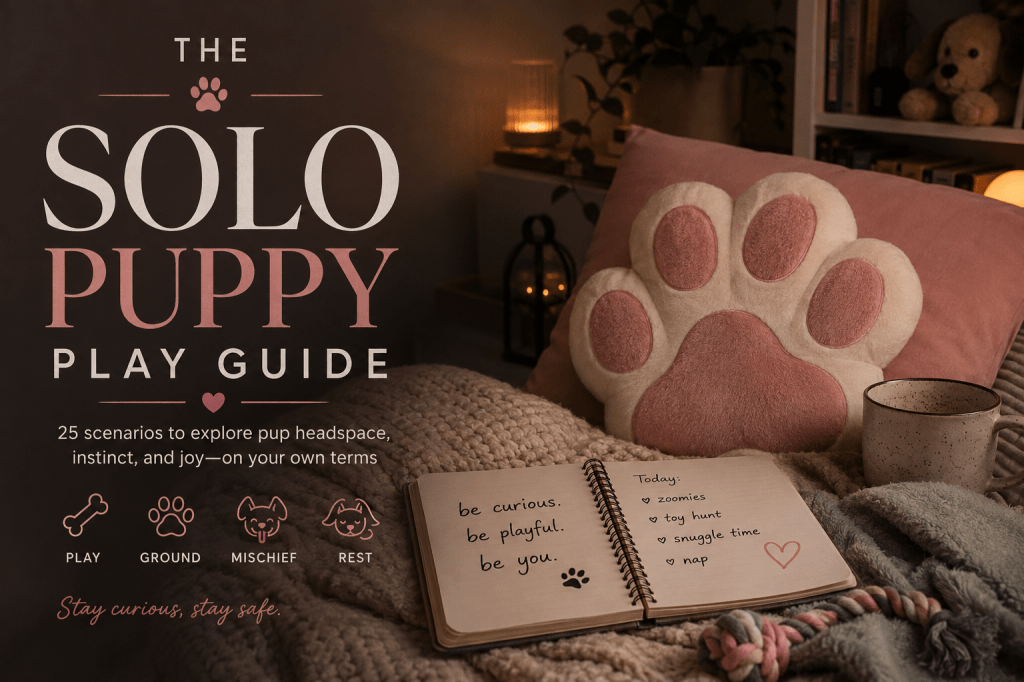
Interested in solo puppy play? Explore our Solo Puppy Play Guide, featuring 25 thoughtfully written scenarios designed to give you ideas, structure, and inspiration for your own play.
Looking for something a little more open-ended? Our Pet Play Journal includes 30 guided prompts to help you explore your pet play interests, preferences, headspace, and experiences at your own pace.
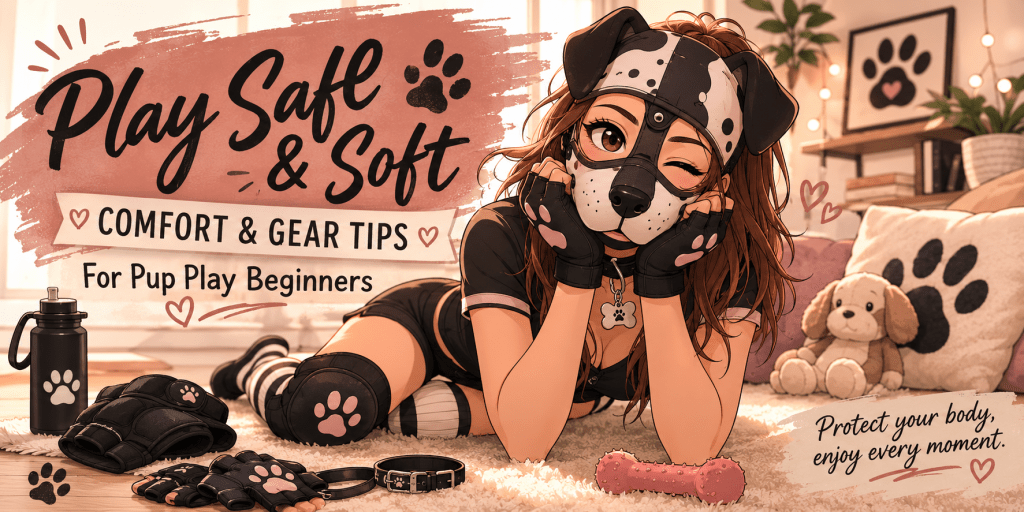
5. Dropping cash on gear before you know your style Ears, tails, hoods, and leather gear look great, but they don’t make you any more “legitimate.” Buying a bunch of specialized equipment early on usually just leads to a drawer full of stuff you realize doesn’t fit your vibe. Start with what you have around the house—a cozy blanket, a comfortable spot on the floor, or basic soft clothes. Buy the fancy gear only when it directly enhances something you already know you love doing.
6. Being too vague when playing with someone else “Let’s try pet play” means a hundred different things to a hundred different people. To one person it means cuddles and head scratches; to another it means strict obedience training or physical restraints. Before you start, spell out the specifics: Are we staying non-sexual? What exact activities are on the table? How long are we doing this? How do we stop?
7. Forgetting a safety signal for non-verbal play Dropping words is a wonderfully relaxing part of petspace for a lot of people, but a standard spoken safeword is useless if you’ve pledged not to speak (or if you’re wearing a bit/hood). Decide on physical signals before you lose your voice. A double-tap on your partner’s arm, dropping an object you’re holding, or a specific hand signal work best.
8. Trying to do the whole menu in your first session When you’re curious, it’s tempting to try strict rules, gear, vocalizations, and training all in one night. It’s too much noise, and afterward, you won’t even know which specific part you actually enjoyed. Keep your first run down to ten or twenty minutes focusing on just one single element—like testing out basic commands or playing with a toy.
9. Pushing through physical pain Crawling on hard hardwood floors will wreck your knees, and forcing yourself into tight positions just to “stay in character” ruins the mental high real fast. There are no extra points awarded for suffering. Throw down some thick pillows, wear knee pads, shift your weight, or stand up whenever you need to. The play should fit your body, not the other way around.
10. Thinking that breaking character means you failed If you burst out laughing, get a cramp, drop a bowl, or just feel weirded out mid-scene, you haven’t ruined anything. You are a real human being stepping into a role for fun, and reality always takes priority. You can drop character, check in, take a breather, or call it a day whenever you want.
Getting Started:
Pick one small thing to test out this week. Wear a simple collar while relaxing at home, practice moving on all fours on a padded rug for ten minutes, or try a few basic verbal commands with a partner.
Afterward, check in with yourself:
- What felt surprisingly fun?
- What felt awkward or boring?
- What do I want to try next time?
Take it slow, keep it low-pressure, and let your own dynamic build itself piece by piece.


 The Kink Archives
Plaats een reactie